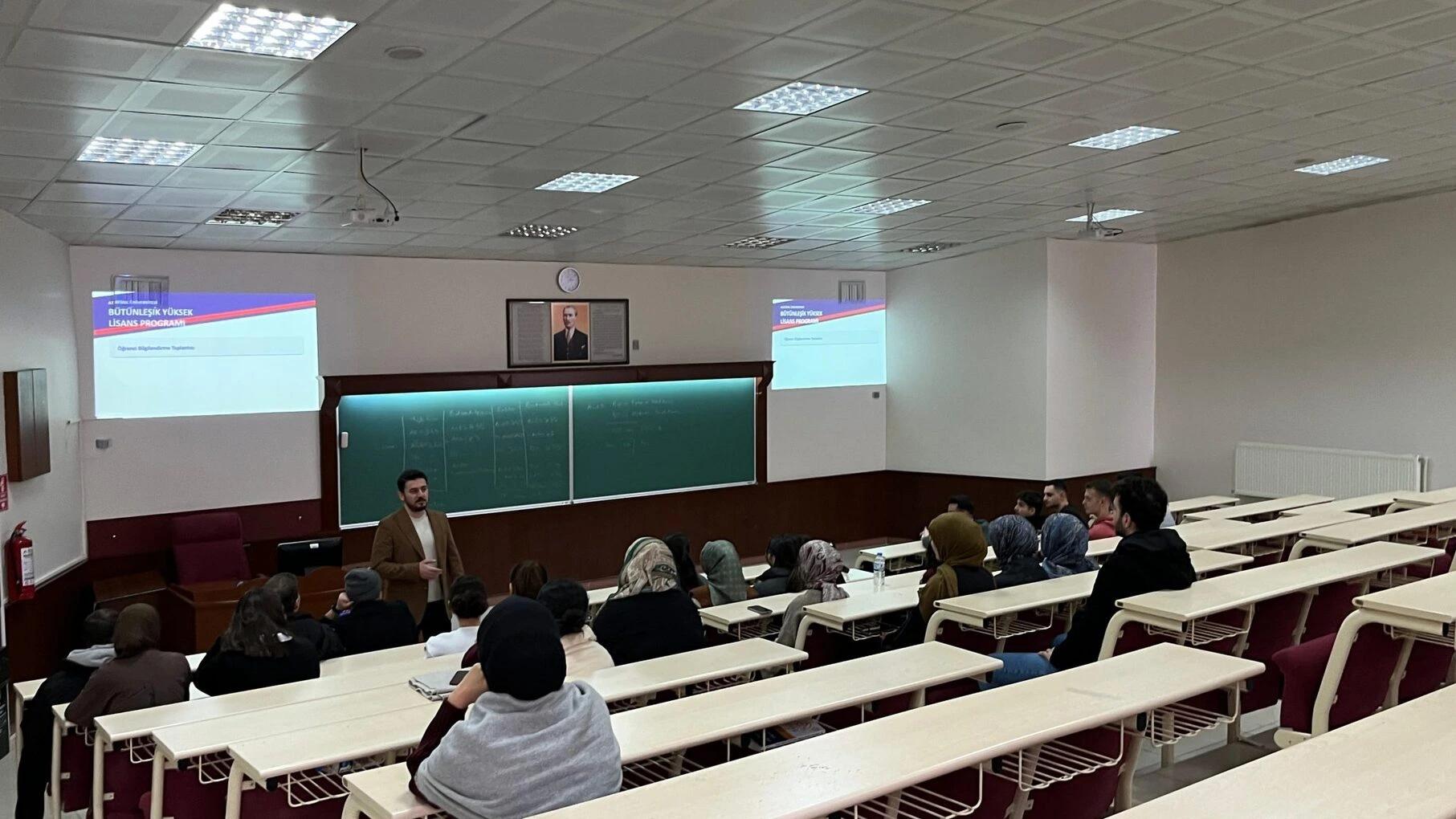

With its scientific discipline, enormous research funds and the professional value it places on the identity of the "researcher", Germany is a center of attraction for PhD candidates worldwide. As of 2026, with its digitalized research infrastructure and international interdisciplinary programs, Germany is the right address for an academic career.
Two Main PhD Models
| Feature | Individual | Structured |
|---|---|---|
| Structure | One-on-one with a supervisor | Research school / institute program |
| Flexibility | Very high | Fixed curriculum, mandatory seminars |
| Duration | 3-5 years | Usually 3 years |
| Social | Independent, can be isolating | Cohort networking |
The Golden Key to Admission: The Exposé
- Master's Degree: A thesis-based master's degree recognized with Anabin H+ status is required.
- Research Proposal (Exposé): A 10-15 page document must describe, in scientific language, the topic you will work on, the gap in the literature and your methodology.
- Language: English (IELTS 7.0+ or TOEFL 95+) or German (TestDaF 4x4 / telc C1 Hochschule).
2026 Funding Projection
| Funding | Monthly Amount | Advantage |
|---|---|---|
| DAAD Research Scholarships | 1,200 € — 1,350 € | Prestigious status, broad alumni network |
| TV-L E13 Position | 2,500 € — 3,800 € gross | Salaried work, pension, insurance |
| Political Foundation Scholarships | 1,350 € + family support | Heinrich Böll, Konrad Adenauer network |
Salaried positions are generally offered at 50%, 67% or rarely 100% working time. Even a 50% E13 salary allows you to live comfortably in Germany.
Living and Academic Budget Management
- Accommodation: A proactive WG search is essential in cities such as Heidelberg, Munich and Aachen.
- Social Security: While TK/AOK is deducted automatically in salaried positions, the private insurance option is more advantageous for scholarship holders.
- SCHUFA: Keeping your financial record clean is critical for the transition to the Blue Card.
Frequently Asked Questions
Is there a fee to do a PhD in Germany?+
No, PhD education at state universities is free. Only a semester contribution of approximately 300 € is paid (including a transport pass).
Can graduates of a non-thesis master's program apply?+
It is very difficult. German universities expect research competence. If you have a strong publication record and a very good Exposé, individual admissions can be attempted.
Can I stay in Germany after my PhD?+
Yes, after graduation you receive an 18-month job-seeker visa. With a PhD degree, obtaining a Blue Card and transitioning to permanent residence is quite fast.
A PhD is often the natural continuation of a master's. You can find the entire preceding stage — application, programme choice and costs — in our guide to a master's in Germany.
 WhatsApp-Kontakt