Imagine a student living in Turkey. If they have close to a million dollars, they send their child to America; if their money is limited, they consider the United Kingdom. But after a little research, they realize that Germany puts itself in a special place. So why?
Germany is a country of high quality, low cost, abundant career opportunities and a rich social life. What's more, people who have studied in Germany occupy a distinct place in the world.
For students who will decide in 2026, in this guide you will find all the benefits of studying in Germany, why you should make this choice and how it stands apart from other countries.
Studying in Germany: 8 Main Benefits
1. Money: University Is Almost Free
In Germany, a bachelor's and master's is free at most public universities; there is only a fee of €250-400 per semester. A doctorate is completely free and offers the possibility of a monthly stipend. For Turkish students, there is no additional international student fee; it is possible to save €20,000-50,000 over 4 years.
| Country | Annual Cost | Total Cost |
|---|---|---|
| America | 40.000-60.000 $ | 150.000-250.000 $ |
| United Kingdom | 10.000-30.000 £ | 50.000-130.000 £ |
| Canada | 15.000-40.000 CAD | 100.000-200.000 CAD |
| Germany | €250-400/semester | €8,000-23,000 |
2. Career: Global Recognition + European Opportunities
- Germany: A job-searching advantage in Europe (Schengen), fast acceptance at German companies; preference at Swedish, Dutch and Belgian companies and a strong position in the global tech/automotive sector.
- America: The highest recognition worldwide, the door to Silicon Valley and Wall Street; however, the US visa is difficult and afterward moving to another country is hard.
- United Kingdom: High prestige (Oxbridge) and strength in the finance sector; however, after the post-graduation visa (2 years), you usually have to leave the country.
3. Quality of Life: Economic + Social
In Germany, accommodation (€200-600), food (€5-15 eating out) and public transport (€60-80/month) are cheap; the social life is rich, the healthcare system is excellent and the safety index is very high. Nature and historic places are also nearby.
- Germany: €900-1,500 per month
- America: $1,800-3,000 per month
- United Kingdom: £1,200-2,000 per month
- Canada: 1,500-2,500 CAD per month
4. Research: World-Class Laboratories
- Germany: 114+ Nobel Prizes (second in the world), Max Planck Institutes, Fraunhofer Gesellschaft (industrial R&D), very free choice of doctoral topic and a productive, informal relationship with your supervisor.
- America: 413+ Nobel Prizes (first in the world), MIT/Stanford/Harvard laboratories and unlimited funding; however, a doctorate takes 5-7 years and supervisors can be demanding.
- United Kingdom: 127+ Nobel Prizes, strong Cambridge/Oxford laboratories; however, a doctorate is as short as 3 years and the relationship with the supervisor is very formal.
5. The Right to Work: Working While Studying
- Germany: 20 hours a week during the semester, full-time work during the semester break; €400-1,200 monthly earnings and it adds value to your CV.
- America (F-1): On-campus only, at most 20 hours a week and low earnings of around $200-400 per month; however, there is a 3-year right to work after graduation (OPT).
- United Kingdom: Very limited at bachelor's level (only during the break), 20 hours a week at master's/doctorate level; there is a 2-year right to work after graduation (Graduate Route).
6. After Graduation: Getting a Work Visa
- Germany: An 18-month job-search visa after the diploma, a work visa immediately once you find a job and permanent residence (Permanent Residence) after 5 years.
- America: The H-1B visa is based on a points system and is difficult (about a 30% chance); if successful, it opens the door to a green card.
- United Kingdom: The Skilled Worker visa is based on a points system, the points threshold is high and finding a job is difficult.
- Canada: Express Entry is easy, a 3-year right to work after graduation and applying for permanent residence while working is possible (an 80%+ chance of staying).
7. Academic Freedom: The Freedom to Choose Courses
- Germany: Course selection is completely free, there is the possibility of changing supervisors, full freedom in choosing a thesis topic and the flexibility to sit/not sit exams.
- America: The rules are strict, every course matters because of the GPA system and changing supervisors is hard; in return, supervisor support is very strong.
- United Kingdom: The curriculum is very rigid, there is little freedom to choose courses and the final exam is usually held once (the chance to retake it is limited).
8. Culture and Social Life: Living in Europe
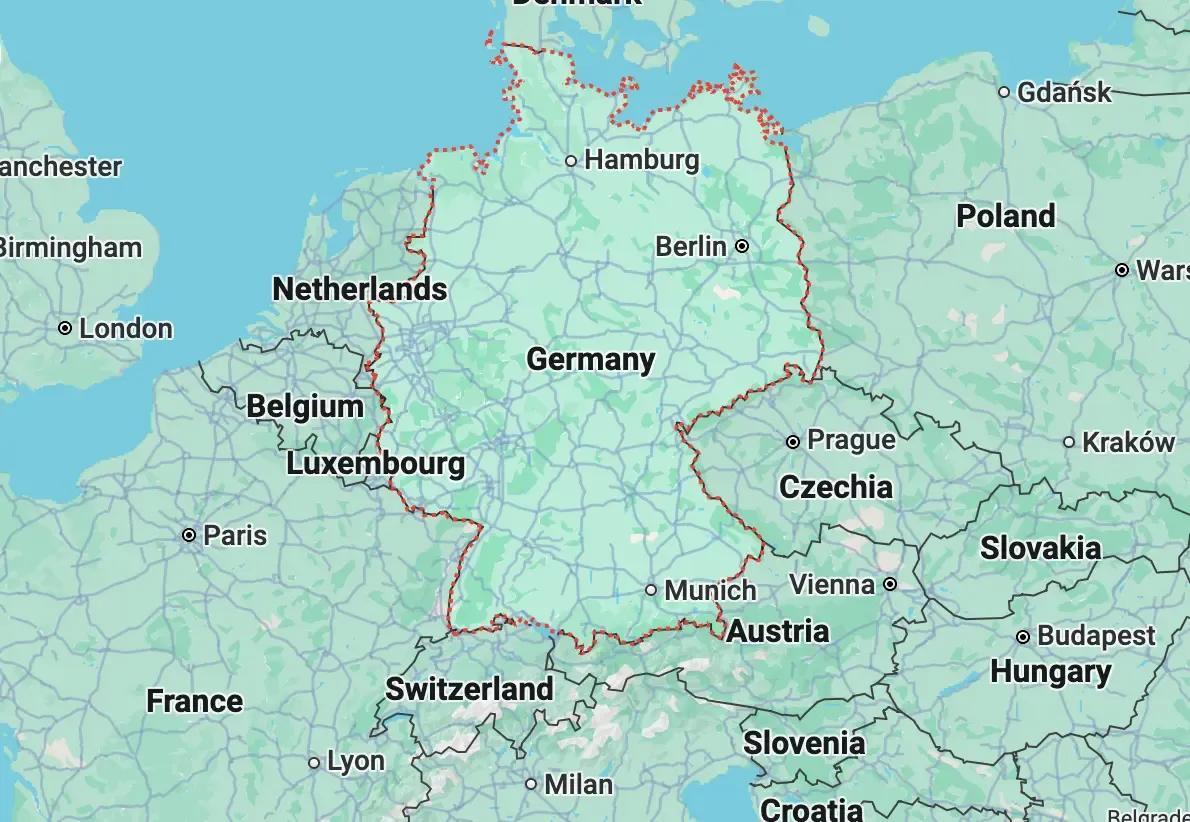
- Germany: It is close to 7 neighboring countries (travel is easy), campus social life is rich, the opportunity to learn a language is high and the ERASMUS network is strong.
- America: Campus life is very social (parties, clubs); however, the country is very large and there is the risk of being unable to travel abroad because of the visa.
- United Kingdom: The culture is rich (art, museums); however, the exclusionary environment known as the "uni bubble" and difficult social integration can be seen.
Comparison Table by Country
| Criterion | Germany | America | United Kingdom | Canada |
|---|---|---|---|---|
| Cost | €8-23K | 150-250K $ | 50-130K £ | 100-200K CAD |
| Career | ⭐⭐⭐⭐ | ⭐⭐⭐⭐⭐ | ⭐⭐⭐⭐ | ⭐⭐⭐⭐ |
| Quality of Life | ⭐⭐⭐⭐⭐ | ⭐⭐⭐ | ⭐⭐⭐ | ⭐⭐⭐⭐⭐ |
| Research | ⭐⭐⭐⭐⭐ | ⭐⭐⭐⭐⭐ | ⭐⭐⭐⭐ | ⭐⭐⭐⭐ |
| Right to Work | ⭐⭐⭐⭐⭐ | ⭐⭐ | ⭐⭐⭐ | ⭐⭐⭐⭐⭐ |
| Possibility of Staying | ⭐⭐⭐⭐ | ⭐⭐⭐ | ⭐⭐⭐ | ⭐⭐⭐⭐⭐ |
| Academic Freedom | ⭐⭐⭐⭐⭐ | ⭐⭐⭐ | ⭐⭐ | ⭐⭐⭐⭐ |
| Social Life | ⭐⭐⭐⭐⭐ | ⭐⭐⭐⭐⭐ | ⭐⭐⭐ | ⭐⭐⭐⭐ |
| Price-Quality | ⭐⭐⭐⭐⭐ | ⭐⭐ | ⭐⭐ | ⭐⭐⭐⭐ |
Situations Where Germany Is Advantageous
Who should choose Germany?
- Engineers — it is Germany's strongest field
- Researchers — the Max Planck institutes
- Those with a limited budget — the best price-quality
- Those who want to live in Europe — easy access to all neighbors
- Those who want to study while working — broad right to work
- Those who love social and cultural life and those who will do a doctorate — the freest and the cheapest
Who should not choose Germany?
- Those who dream of Silicon Valley (choose America)
- Those targeting the finance sector (choose the United Kingdom)
- Those who want to settle permanently as fast as possible (choose Canada)
- Those who care only about prestige (choose America)
Studying in Germany: Long-Term Benefits
After 5 Years (3 Years After Graduation)
- Someone who studied in Germany: Gets a job easily anywhere in Europe, builds a deep-rooted bond with a German company, is fluent in German + English, has a strong European network and a settled life with a mid-level salary of €50-70K.
- Someone who studied in America: If they applied for an H-1B (~30% success), gets an $80-120K salary; if the visa did not come through, they return to Turkey or another country and may still have around $100K of debt.
- Someone who studied in the United Kingdom: Works with a Graduate visa (£45-60K); London is expensive but the salary makes up for it, with the risk of having to leave after the visa.
- Someone who studied in Canada: Is on the path to permanent residence, earns 60-80K CAD per month and has the highest guarantee of staying.
After 10 Years
- Someone who studied in Germany: Is in a leadership position in Europe (a startup, a company, etc.), gets a salary of €80-150K+, becomes an EU passport holder after 7 years, has started a family and become a homeowner.
- Someone who studied in America: If they got the visa, holds a green card, gets a salary of $120-250K+ (tech/finance), has started a family and bought a home — living the "American dream".
Frequently Asked Questions
Is a German diploma recognized in other countries?+
Yes, it is respected especially in Europe, America and Canada. However, it is not as prestigious as Oxbridge or MIT.
Can I do a master's in Germany and a doctorate in America?+
Yes, and it is even advantageous. The diploma transfer is easy and a visa change can also be done.
If I return to Turkey after studying in Germany, does it retain its value?+
It retains a lot of value. In Turkey, being a "Germany graduate" stands out more than the university brand; an increase of around 50% in salary can be expected.
If I don't have money, how can I go to Germany?+
At least one of the routes — a DAAD scholarship, a university scholarship or working (AT11) — can definitely be found.
Is Germany's education system very easy?+
No. Although it looks short, it is deep. There is flexibility in sitting exams, but when you do sit them they are hard; it is very free but it requires your own discipline.
Conclusion: Germany = The Rational Choice
Studying in Germany may not look as exciting as the "big dream" in the US. But it is more solid, more grounded and more sustainable.
- If money is critical: Germany (100%)
- If you want the best brand: America/United Kingdom
- If you want to live in Europe: Germany (100%)
- If you want to make finding a job easier: Germany/Canada
- If you want to earn fast: America (if you succeed)
A final word: Most students who study in Germany never regret it. Because Germany offers not just education; it also offers quality of life, economic security and long-term stability.
As the Toedur consultancy team, we provide guidance on country-selection strategy. Which country suits you, which program should be chosen, how the application should be made — we can be by your side in all of these decisions.
 WhatsApp-Kontakt